Featured

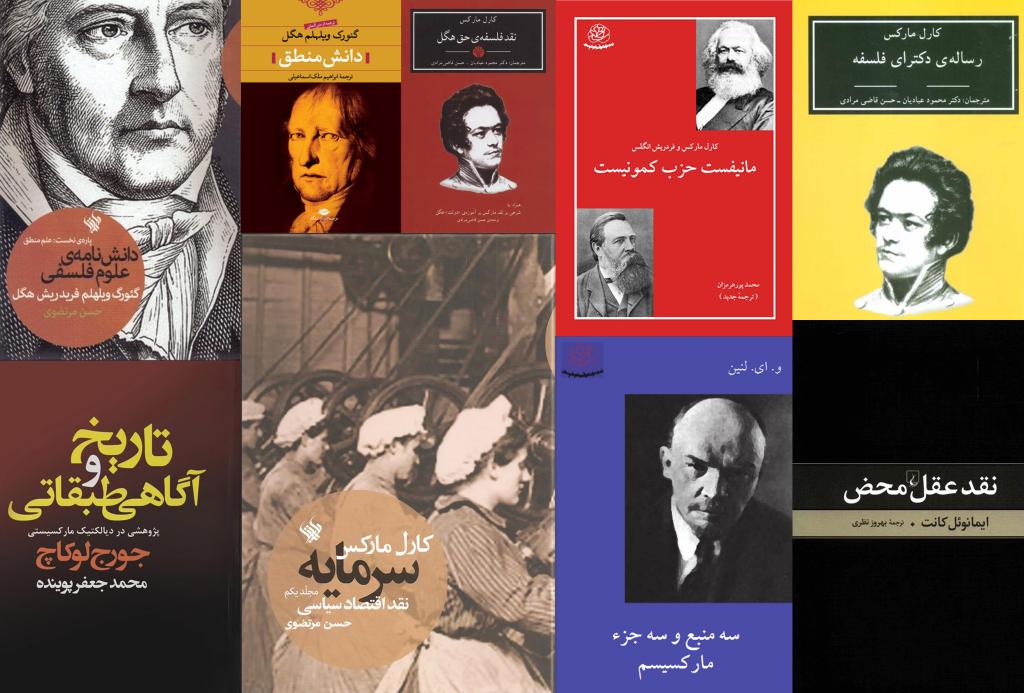
برنامه مطالعاتی برای علاقه‌مندان به مارکسیسم و مبارزه‌ی طبقاتی

برتولت برشت گفته بود که یک مطالعه‌ی جامع آثار مارکس به چهار سال کار و فعالیت پیگیرانه و چند ده هزار مارک نیازمند است. بی‌گمان آن زمان برشت حق داشت، اما بعد از کشف و انتشار آثار جدید مارکس ما حداقل به چهار تا پنج برابر وقتی و پولی که برشت پیش بینی کرده بود، نیازمند هستیم. فهم مارکس و مارکسیسم بدون فهم روش مارکس هم تقریباً غیرممکن است. مارکس در پیش‌درآمد نقد اقتصاد سیاسی روش خود را در تقابل با روش اقتصاد سیاسی مطرح‌ ‌می‌کند و نشان می‌دهد که اقتصاد سیاسی همچون ایدئالیسم آلمانی و نیز ماتریالیسم از تکیه‌گاه غلط و انتزاعی حرکت می‌کند، در طول پروسه‌ی تحقیق به ذات پدیده نزدیک نمی‌شود و در نتیجه‌گیری هم دچار اشکال می‌شود. روش مارکس حرکت از مسائل کنکرت به سمت مسائل انتزاعی و تبدیل کردن مسائل انتزاعی به مسائلی کنکرت از طریق شکستن آنان برای رسیدن به ذات و جوهر پدیده‌هاست. در این شکی نیست که یک مطالعه‌ی جامع و دقیق مارکس و انگلس نیازمند زمانی طولانی و تحمل فراوان است

Georg Lukács’ Tag in Heidelberg

Georg-Lukács-Gedenktag in Heidelberg

Am Dienstag, dem 21. Oktober 2025, wurde die Stadt Heidelberg Zeugin eines historischen Tages, der dem Andenken und dem Leben eines der bedeutendsten Denker der Menschheitsgeschichte und herausragendsten Intellektuellen des 20. Jahrhunderts gewidmet war.

Der „Georg Lukács-Tag“ begann mit der feierlichen Enthüllung einer Gedenktafel an seinem ehemaligen Wohnhaus in der Keplerstraße 28, in dem Georg Lukács von 1914 bis 1918 lebte. Mehr als vierzig InteressentInnen und BewundrerInnen Lukács’ aus ganz Deutschland und dem Ausland nahmen daran teil. Diese Zeremonie war der Auftakt zu einem langen, in wissenschaftlicher wie kultureller Hinsicht fruchtbaren Tag. Zahlreiche JournalistInnen aus Heidelberg und von regionalen Zeitungen nahmen an der Veranstaltung teil und hielten diesen Tag mit vielen Fotos als ein Stück Stadtgeschichte fest.

Die Feier wurde von Hassan Maarfi Poor initiiert und organisiert. Nach der Enthüllung der Gedenktafel durch Maarfi Poor und Rüdiger Dannemann, dem Vorsitzenden der Internationalen Georg-Lukács-Gesellschaft aus Essen, eröffnete Dannemann den Tag mit einem kurzen Vortrag über Lukács’ intellektuelle Biografie, dessen auch persönliche „transzendentale Obdachlosigkeit“ in seinem Heimatland und seiner Rolle in der Entwicklung des Denkens im 20. Jahrhundert, insbesondere in Heidelberg. Er schloss mit dem Hinweis auf die positive Wendung im Fall des geschlossenen Lukács Archivs und dem Verlesen einer E-Mail von Prof. Axel Honneth, der der Stadt Heidelberg für den Mut dankte, an den Aufenthalt von Georg Lukács an ihrer eigenen Universität zu erinnern.

Dr. Thomas Petersen, Dozent für Philosophie an der Universität Heidelberg und Betreuer der Dissertation von Maarfi Poor, hielt einen kurzen Vortrag über die Bedeutung von Geschichte und Klassenbewusstsein für die Studentenbewegung um 1968 und betonte, dass dieses Werk für die damalige Bewegung von zentraler Bedeutung war.

Danach sprach Michael Buselmeier, einer der bekanntesten Intellektuellen Heidelbergs, Autor zahlreicher Bücher über die Stadtgeschichte und ein wichtiger Vertreter des kulturellen Lebens der Stadt. Er hielt einen kurzen, teils kontroversen Vortrag über Lukács’ Rolle in Heidelberg. Buselmeier vertrat die Ansicht, dass andere Denker, die in diesem Haus gelebt hätten, für Heidelberg von größerer Bedeutung seien als Lukács.

Daraufhin sprach Hassan Maarfi Poor über die Bedeutung dieses besonderen Tages und erläuterte das Tagesprogramm. Anschließend begann eine Stadtführung, bei der die Häuser wichtiger Intellektueller wie Alfred Weber und anderer Mitglieder des sogenannten Heidelberger Kreises um Max Weber, die in freundschaftlicher Beziehung zu Lukács standen, besucht wurden.

Von 13:00 bis 15:30 Uhr waren die Teilnehmenden zum Mittagessen eingeladen, danach setzte sich der Stadtrundgang fort. Die Gruppe besuchte unter anderem die Deutsche Bank, wo Lukács’ frühe Schriften über fünfzig Jahre lang in einem Tresor aufbewahrt worden waren. Anschließend bewegten sich die Teilnehmer durch die Heidelberger Hauptstraße zur Abendveranstaltung in der Philosophischen Fakultät, im Kant-Saal, der mit über siebzig BesucherInnen aus unterschiedlichsten sozialen und politischen Kreisen vollständig gefüllt war.

Da die Schriftstellerin und Dichterin Sara Ehsan die Moderation krankheitsbedingt nicht übernehmen konnte, übernahm Maarfi Poor selbst die Moderation der Veranstaltung und kürzte seinen eigenen Vortrag, um die Dauer der Sitzung im Rahmen zu halten.

Georg Lukács Commemoration Day in Heidelberg

Press release by Hassan Maarfi Poor, Heidelberg University, and Dr. Rüdiger Dannemann, General Secretary of the International Georg Lukács Society

On Tuesday, October 21, 2025, the city of Heidelberg witnessed a historic day dedicated to the memory and life of one of the most significant thinkers in human history and one of the most outstanding intellectuals of the 20th century.

The Georg Lukács Day began with the ceremonial unveiling of a commemorative plaque at his former residence at Keplerstraße 28, where Georg Lukács lived from 1914 to 1918. More than forty interested parties and admirers of Lukács from all over Germany and abroad took part. This ceremony marked the start of a long day that proved fruitful in both academic and cultural terms. Numerous journalists from Heidelberg and regional newspapers attended the event and captured this day as a piece of city history with many photos.

The ceremony was initiated and organised by Hassan Maarfi Poor. After the unveiling of the memorial plaque by Maarfi Poor and Rüdiger Dannemann, chairman of the International Georg Lukács Society in Essen, Dannemann opened the day with a short lecture on Lukács’ intellectual biography, his personal ‘transcendental homelessness’ in his home country, and his role in the development of 20th-century thought, particularly in Heidelberg. He concluded by pointing out the positive turn in the case of the closed Lukács Archive and reading an email from Prof. Axel Honneth, who thanked the city of Heidelberg for its courage in commemorating Georg Lukács’ stay at its own university.

Dr. Thomas Petersen, Lecturer in Philosophy at the University of Heidelberg and supervisor of Maarfi Poor’s dissertation, gave a short lecture on the significance of History and Class Consciousness for the student movement of the 1960s, emphasizing that this work was of central importance for the movement at that time. After the brief speech by Thomas Petersen, Michael Buselmeier spoke. He is one of Heidelberg’s best-known intellectuals, author of numerous books on the city’s history, and an important representative of the city’s cultural life. He gave a short, but partly controversial, lecture on Lukács’ role in Heidelberg. Buselmeier expressed the view that other thinkers who had lived in this house were of greater significance for Heidelberg than Lukács.

Following this, Hassan Maarfi Poor spoke about the significance of this special day and explained the day’s program. Afterwards, a city tour began, during which the houses of important intellectuals such as Alfred Weber and other members of the so-called Heidelberg Circle around Max Weber, who had friendly relations with Lukács, were visited.

From 1:00 PM to 3:30 PM, the participants were invited to lunch, after which the city tour continued. The group visited, among other places, the Deutsche Bank, where Lukács’ early writings were kept in a safe for over fifty years. Afterwards, the participants moved along Heidelberg’s Hauptstraße to the evening event in the Kant Hall of the Faculty of Philosophy, which was completely filled with over seventy visitors from various social and political circles.

Since the writer and poet Sara Ehsan could not take over the moderation due to illness, Maarfi Poor moderated the event himself and shortened his own lecture to keep the duration of the session within the time frame. First, Maarfi Poor gave a general introduction to the “Georg Lukács Day,” the program schedule, and a brief overview of Lukács’ life and work. He emphasized that Lukács was not only one of the most significant thinkers of the past century but also one of the most important thinkers in the entire history of thought – a universal scholar who explored disciplines such as aesthetics, philosophy of art, sociology, theory of history, politics, Marxism, and ontology with extraordinary depth. Maarfi Poor pointed out that a return to Lukács and a “Lukács Renaissance” in a time when the danger of fascism is greater than ever could form the basis for developing anti-capitalist and anti-fascist knowledge – knowledge that, unlike the Frankfurt School, does not accommodate power structures but instead becomes an uprising against bourgeois sciences.

In the evening, as announced, four lectures took place. However, due to illness, numerous originally planned participants could not attend, so ultimately over twenty guests were absent with apologies.

The first lecture was given by Rüdiger Dannemann, who outlined the stages and leitmotifs of a controversial philosophical classic and its relevance today, emphasising the connection between reification and alienation in Lukács’ early and late work. He stressed the central role of these two concepts as characteristic features of the capitalist system, which could not exist without reification and alienation. Dannemann showed that Lukács’ theory of reification was one of the great diagnoses of the 20th century and that he had developed it further in his ontology of social being beyond history and class consciousness into a theory of plural forms of alienation and reification. His philosophical approach is relevant in many respects, above all as an articulation of a critical theory that truly deserves this name and can help to develop a universalistic perspective for the multitude of resistance movements currently active.

Despite the broad reception of his work, there are still many open research questions, e.g.: To what extent can the concept of class consciousness developed in History and Class Consciousness be integrated into current debates on location philosophy, gender and postcolonial studies? Or: What new perspectives arise for new readings of classical German philosophy based on Kant’s and Marx’s understanding of philosophy? In addition, his late work awaits a reception on a par with his earlier and middle periods.

This was followed by Peter König, professor emeritus of philosophy at the University of Heidelberg and a well-known figure in the city. He spoke about Lukács’ early works and emphasized the significance of “Form”—both the essay form and the form of life—in this creative phase. König began with an important letter from Lukács’ The Soul and the Forms (Die Seele und die Formen), which Lukács wrote to his close friend Leo Popper, and continued with another essay about Kierkegaard and his relationship with Regine Olsen. He showed how Lukács, in his youth, placed romantic themes at the center of his aesthetic system.

Following this, Thomas Petersen spoke about Lukács’ conception of Realism in connection with Goethe and Thomas Mann. Using a quote from Roger Scruton’s Fools, Frauds and Firebrands: Thinkers of the New Left, he criticized the opportunist tendencies of the Frankfurt School. Thomas Petersen writes the following, referring to Scruton:

“The conservative British philosopher Roger Scruton published a book about the thinkers of the New Left titled ‘Fools, Frauds and Firebrands’. Polemical like the title are also the chapter headings such as ‘Resentment in Britain’, ‘Nonsense in Paris’ or ‘Culture Wars Worldwide’. Germany is also considered with the chapter ‘Tedium in Germany – Downhill to Habermas’. Jürgen Habermas, according to Scruton, is a typical ‘functionally perfect bureaucrat’ of the German Left, thus the final station of a downhill journey that finds Theodor Adorno and Max Horkheimer halfway down the path. But who is the summit from which it then descends? It is Georg Lukács, ‘the prime mover of the “Marxist humanism” that was later to crystallize in the Frankfurt School!’. This ‘prime mover’ could be Lukács because he was the first to develop a critique of bourgeois society and its culture. In particular, he seemed predestined for a critique of artistic, especially literary production, because he had already emerged early on with much-noticed works on aesthetics.” (Directly quoted from Petersen’s lecture).

Petersen continues and writes:

“The dependence of the Frankfurt School of Critical Theory on Lukács seems correctly observed, irrespective of the intense hostility between him and Adorno. Adorno held Lukács’ dismissive attitude towards modern art against him and, in a fierce polemic against Lukács’ book ‘Wider den mißverstandenen Realismus’ [Against Misunderstood Realism], accused him of using reactionary bourgeois categories such as ‘decadence’ and a ‘completely unreflected concept of the normal’. Even the flattered Thomas Mann himself was ‘not safe from Lukács’ Neo-Naiveté’. Lukács, in turn, is said to have taken revenge by mocking Frankfurt School as the ‘Grand Hotel Abyss’.” (ibid.).

After a short break of fifteen minutes, Hassan Maarfi Poor began his lecture on Lukács and Hegelianism. He gave an overview of the various phases in which Lukács engaged with Hegel’s work and explained that for Lukács—as he himself wrote—Hegel was a kind of “accompanying music” throughout his entire creative life. Although Lukács had already begun rereading Hegel in 1906, his first serious contribution to this engagement was the essay on Kierkegaard and Regine Olsen, in which the traces of Hegelian philosophy of essence and appearance could be clearly recognized.

The young Lukács, torn between the poles of the intellectual currents of the time, sought, through a deepening of Hegelianism and the application of Hegelian categories—especially the concept of Totality—to find a theoretical answer to the “transcendental homelessness” of his epoch. Later, however, he emphasized that it was not the theoretical engagement between subject and object, but rather the revolutionary Praxis of the October Revolution that had provided a radical answer to this dialectic.

Maarfi Poor then explained Lukács’ outstanding role in Hegel research during his time in the Soviet Union, particularly in his third doctoral work, The Young Hegel. He emphasized that this work is unique in the history of Hegel studies, as Lukács not only analyzed the economic writings of the young Hegel but also exposed serious shortcomings in previous Hegel research – from Kuno Fischer to the Hegel Renaissance around Dilthey. Lukács showed that the reduction of Hegel to a conservative state philosopher was not only false but reactionary. He saw in Hegel’s dialectical method and his economic analyses a perspective beyond the capitalist mode of production and thus regarded Hegel as a forerunner of Marxist thought.

In conclusion, Maarfi Poor showed how Lukács’ Hegelian philosophy came into play in his reflections on Realism, Narrative Theory, Aesthetics, and Ontology, and how he distinguished between a “genuine” and a “false” Hegelian ontology. After the lectures, a friendly and stimulating atmosphere for discussion emerged. To conclude, a reception with wine and snacks was held. Maarfi Poor thanked all those who participated in the organization – including the Doctoral Convention of Heidelberg University for the financial support, Dr. Astrid Wind of the HGGS, Farhad Sharifi for the English translation and editing of the texts, as well as numerous professors and professor emeriti who had sent greetings, including Prof. Norman Fischer, Prof. Andreas Arndt, Prof. Patrick Aiden Offe, Michael Löwy, Prof. Regina Gagnier (University of Exeter, England), Sebastián Sánchez Renata (Costa Rica), Prof. Ateş Uslu (University of Istanbul, he was even present), Biswajit Dasgupta, Dr. Della Torre de Caruamo and many others.

برگزاری روز بزرگداشت جٌرج لوکاچ در هایدلبرگ

روز سه‌شنبه 21 اکتبر 2025 شهر هایدلبرگ شاهد یک روز تاریخی برای گرامیداشت یاد و زندگی یکی از مهمترین متفکران تاریخ بشر و اندیشمندان برجسته‌ و بی‌نظیر قرن بیستم بود. روز لوکاچ با مراسم افتتاحیه‌ی خانه‌ی محل سکونت لوکاچ از 1914 تا 1918 درخیابان کپلر پلاک 28 با حضور بیش از چهل نفر از علاقه‌مندان به لوکاچ از سراسر آلمان و خارج آلمان بود. این مراسم مقدماتی، مراسمی که با افتتاحیه‌ی تابلوی جٌرج لوکاچ آغاز شد، آغاز یک روز طولانی و بارآور از لحاظ علمی و فرهنگی بود. در این مراسم روزنامه‌نگاران زیادی از شهر هایدلبرگ و از روزنامه‌های محلی حضور داشتند و این روز را با گرفتن عکس‌های زیاد به عنوان یک روز تاریخی ثبت کردند.

مراسم روز جٌرج لوکاچ که توسط حسن معارفی‌پور فراخوان و سازمان داده شده بود، بعد از پرده‌برداری از پلاک جٌرج لوکاچ توسط حسن معارفی‌پور و رودیگر دانمان شروع شد. رویدیگر دانمان، دبیر سازمان جهانی جٌرج لوکاچ از شهر اسن آلمان با ارائه‌ی یک سخنرانی کوتاه در مورد زندگی‌نامه‌ی روشنفکری جٌرج لوکاچ  و جایگاه لوکاچ در تکامل اندیشه در قرن گذشته و به ویژه در شهر هایدلبرگ شروع کرد و صحبت‌هایش را با خواندن نامه‌یی از آکسل هونت، که شامل یک پیام تشکر از شهرداری هایدلبرگ و حسن معارفی‌پور به عنوان درخواست‌دهنده‌ی این تابلو و سازماندهنده‌ی اصلی این روز تاریخی بود به پایان برد.

 توماس پیترسن از اساتید فلسفه‌ی دانشگاه هایدلبرگ و سوپروایزر حسن معارفی‌پور هم سخنرانی کوتاهی در مورد جایگاه تاریخ و آگاهی طبقاتی لوکاچ برای جنبش دانشجویی دهه‌ی شصت قرائت کرد و اعلام کرد که کتاب تاریخ و آگاهی طبقاتی جزو درس‌های حیاتی و ضروری برای جنبش دانشجویی دهه‌ی شصت حساب می‌شد.

ماکس هولز، رابین هود سرخ، کمونیستی ملیتانت یا  “لمپن” پرولتاریایی بی‌تربیت؟

حسن معارفی‌پور

ماکس هولز که بود؟

فاشیسم به عنوان زیباسازی شرارت

حسن معارفی‌پور

والتر بنیامین در کتاب “اثر هنری در عصر بازتولید تکنیکی” “فاشیسم را به عنوان جریانی که بر بنیاد “زیباسازی امر سیاسی” و “تجاوز به توده‌هایی که مغلوب یک پیشوا شده‌اند” تعریف می‌کند. همچنین بنیامین والتر می‌نویسد که: فاشیسم در عین حال فرهنگ و کیش شخصیت را آن‌چنان توده‌گیر می‌کند که تجاوز سیستماتیک به توده‌ها عادی‌سازی می‌شود و به تعبیر دیگر حتی ستایش می‌شود. بنیامین بر این باور است که تمام تلاش‌ “برای زیباسازی امور سیاسی در یک نکته به اوج خود می‌رسد و آن جنگ است”. فقط جنگ است که از نقطه‌نظر تکنیکی این امکان را فراهم می‌کند که سازماندهی وسیع برای حفاظت از مالکیت‌ خصوصی از طریق شکل دادن به یک وضعیت استثنائی و حکومت نظامی فراهم شود و صاحبان ابزار‌ تولید، مالکیت خود بر ابزار تولید را تضمین کنند. بنیامین از طریق اشاره به آپوتوزه (Apotheose) یعنی خداگونگی انسان و اشاره به مانیفست فوتوریستی مارینتس (Marinettis) در ارتباط با جنگ استعماری اتیوپی اشاره می‌کند، مانیفستی که در آن آمده است: “جنگ به لطف ماسک‌هایی که در آن استفاده می‌شود، زیباست[1].” بنیامین گرچه در این اثر خود از ارنست یونگر اسم نمی‌برد ولی به احتمال زیاد با رمان‌های او به‌ویژه “طوفان فولاد” و یادداشت‌های روزانه‌اش در مورد جنگ امپریالیستی موسوم به جنگ جهانی اول آشنایی دارد. ارنست یونگر در آثار جوانی‌اش به عنوان کسی که یادداشت‌های روزانه‌ی خود از جنگ امپریالیستی اول را در قالب رمان درآورده است، هرگونه امپاتی (همدلی) و همبستگی انسانی با انسان‌هایی که در این جنگ در نتیجه‌ی توپ باران متلاشی می‌شوند را کنار می‌گذارد و توحش و بربریت را به عنوان یک امر زیبایی‌شناختی که به قول کارل هاینز اثری در راستای “زیبایی‌شناسی وحشت” است را به نمایش می‌گذارد. به نظر می‌رسد که بنیامین در مورد تعریف فاشیسم به شکل ضمنی تصویر زیبایی که از یک پدیده‌ی شرورانه توسط ارنست یونگر به تصویر کشیده می‌شود را مدنظر داشته باشد. زیبایی‌شناسی وحشت به این صورت است که یک پدیده‌ی وحشتناک همچون جنگ را طوری بازنمایی می‌کند که لذت‌بخش جلوه بنماید[2]. در واقع تلاش ارنست یونگر جوان این بود که آمادگی برای جنگ و لذتِ کشتار را تئوریزه کرده و آن را عمومیت بخشد. از این رو فاشیسم تلاشی برای زیباسازی شرورت و شرارت است، حال اینکه شرارت از جانب رژیم اقتدارگرای آلمان در دوران جمهوری “متزلزل” صورت بگیرد، یا از جانب هیتلر و موسولینی، آتاتورک، رضاخان قلدر، خمینی یا ناتانیاهو، ترامپ یا فریدریش مرتس و یا هر آدمخوار دیگری.


[1] (Benjamin, 1977, S. 42f)

[2] (Bohrer, 1983, S. vgl.)

رئال‌پولیتیک پ‌ک‌ک در بن‌بست

نقد و بررسی مارکسیستی پ‌ک‌ک و جریان‌های زیرشاخهٔ آن در تئوری و پراکسیس

مقدمه

نسخه‌ی کوتاه‌تر این مقاله با ترجمه‌ی رفیق گرانقدر و انقلابی، فرهاد شریفی، در سایت شخصی‌ام و دیگر صفحات مجازی منتشر شده است. این نسخه در حقیقت، نسخه‌ی تکمیلی و به‌روزتر شده‌ی نسخه‌ی انگلیسی است که با اعمال یک‌سری تغییرات جزئی آماده گردیده است. علاوه بر نسخه‌ی انگلیسی، قسمت‌هایی را پیش‌تر به فارسی منتشر کرده بودم، اما این ویراست، به‌روزترین نسخه‌ی مقاله است. تا جایی که فضا مجال داده، کوشیده‌ام تصویری واقعی از پ‌ک‌ک ارائه دهم و با نقدی کاملاً انقلابی و مارکسیستی، ماهیت جریان تماماً خلقی پ‌ک‌ک را روشن سازم. از رفیق عبدالباسط سلیمانی به خاطر ویرایش نسخه‌ی فارسی صمیمانه تشکر می‌کنم.

صحبت کردن درباره‌ی پ‌ک‌ک بسیار دشوار است؛ زیرا پ‌ک‌ک نه به مثابه‌ی یک حزب سیاسی یکدست با فراکسیون‌های مختلف، بلکه به‌عنوان یک جنبش پست‌مدرن کویرفرونت پدیدار می‌شود. جریانی که از چپ تا راست، سوسیالیست تا فاشیست، عارف تا مسلمان افراطی، آتئیست تا سلفیست، علوی، سنی، شیعه‌ی اثنی‌عشری، ناسیونالیست، انترناسیونالیست، فمینیست و آنتی‌فمینیست و حاملان و حامیان انواع و اقسام ایدئولوژی را زیر یک چتر سیاسی و حول امور مختلف گرد آورده است. بنابراین نقد پ‌ک‌ک و جریان‌های زیرمجموعه‌اش از این منظر دشوار است؛ زیرا این شترگاوپلنگ عجیب هرگونه نقد کلی و عینی را با واکنش بخشی از هوادارانش خنثی می‌کند.

پ‌ک‌ک، با هر نقدی که به درستی یا نادرستی به آن وارد باشد و با هر میزان از نزدیکی یا دوری خوانندگان این متن به این جنبش فراگیر پوپولیستی «کویرفرونت»، در حال حاضر یکی از قوی‌ترین و تأثیرگذارترین نیروها در عرصه‌ی رئال‌پولیتیک است؛ نه‌تنها در ترکیه، بلکه در کل خاورمیانه. حضور پ‌ک‌ک تا جایی پررنگ است که هیچ تلاشی از سوی نیروهای امپریالیستی یا دولت‌های منطقه برای دخالت در معادلات سیاسی عراق، سوریه، ترکیه و ایران، بدون در نظر گرفتن نقش این جنبش و تشکیلات پوپولیستی آن قابل تصور نیست. پ‌ک‌ک برخلاف تصور چپ‌های هپروتی اروپایی نه جریانی آنارشیستی یا سوسیالیستی و انقلابی، بلکه جریانی مرتجع و پوپولیستی در خدمت رئال‌پولیتیک امپریالیستی است.

اگر بخشی از پ‌ک‌ک سال‌ها در سوریه کوچک‌ترین درگیری با جمهوری اسلامی نداشت و عملاً در برابر تروریسم برون‌مرزی جمهوری اسلامی سکوت اختیار می‌کرد، بخشی دیگر که خود را «کودار» و «پژاک» معرفی می‌کرد، در کردستان ایران برای مناسبت‌های مذهبی همچون عاشورا و تولد پیامبر اسلام بیانیه صادر می‌کرد و حتی اعلام می‌نمود در صورت دخالت آمریکا در ایران، در کنار جمهوری اسلامی خواهد ایستاد.

پرداختن به پ‌ک‌ک از این منظر اهمیت ندارد که این نیرو واجد تفکر و اندیشه‌ای عمیق است. پ‌ک‌ک در کلیت خود با هرگونه روشنگری نظری و سیاسی دشمنی دارد و کادرها و فعالین این سازمان همچون سازمان مجاهدین، انسان‌هایی فاقد درک و شعور تئوریک‌اند. به معنای واقعی کلمه، بخش وسیعی از هواداران و اعضای پ‌ک‌ک انسان‌هایی مسخ‌شده و از خودبیگانه‌اند که جز پروپاگاندای احساسی و پوپولیستی، چیزی تئوریک، نظری، تاریخی یا سیاسی در چنته ندارند. پرداختن به پ‌ک‌ک تنها به این دلیل اهمیت دارد که این نیروی پوپولیست کویرفرونت، علیرغم نداشتن یک خاستگاه نظری و سیاسی روشن و علیرغم انکار ماهیت بورژوایی و ارتجاعی خود از سوی هوادارانش، توانسته به نیرویی سیال در عرصه‌ی عملی، نظامی، جنبشی و سیاسی منطقه‌ای و بین‌المللی بدل شود و به عاملی چشمگیر و غیرقابل‌انکار در فضای سیاسی جهانی در سطح گفتمانی و سیاسی تبدیل گردد.

وقتی از پ‌ک‌ک سخن می‌گوییم، منظور تنها نیروهای مستقر در قندیل نیست، بلکه همه‌ی گروه‌ها، احزاب و زیرمجموعه‌های آن در ایران، عراق، سوریه و ترکیه و نیز جنبش سیاسی–اجتماعی هوادارانش در اروپا و ترکیه مدنظر است. من هیچ تفاوت استراتژیک و ایدئولوژیک میان پژاک، ی‌پ‌گ، ی‌پ‌ژ و جریان پارلمانتاریست کردی در ترکیه با نیروهای نظامی پ‌ک‌ک در قندیل نمی‌بینم. مگر آنکه روزی درون پ‌ک‌ک فراکسیونی واقعاً انقلابی و کمونیستی پدید آید که پرچمدار رئال‌پولیتیک انقلابی علیه رئال‌پولیتیک امپریالیستی آپوییستی باشد؛ در آن صورت می‌توان از تفاوت استراتژیک سخن گفت. تا زمانی که چنین فراکسیونی وجود نداشته باشد، دفاع کامل از پ‌ک‌ک به معنای قرار گرفتن در زیرمجموعه‌ی رئال‌پولیتیک امپریالیستی است.

پ‌ک‌ک حتی در اوج مبارزه‌ی مسلحانه‌ی خود علیه ترکیه، داعش یا سپاه پاسداران نیز در چارچوب رئال‌پولیتیک باقی ماند و هر روز بیشتر خود را با رئال‌پولیتیک امپریالیستی تطبیق داده است. این جریان شباهت بسیاری به حزب چپ آلمان (Die Linke) دارد که یکی از نزدیک‌ترین متحدان پ‌ک‌ک در اروپاست. از آن‌جا که در مقاله‌ای دیگر به نقد و بررسی حزب چپ پرداخته بودم، در اینجا از تکرار آن صرف‌نظر می‌کنم.

اما باید افزود که از زمان نگارش آن مقاله، حزب چپ بیش‌ازپیش به حزبی ملیتاریست و طرفدار ناتو و اسرائیل تبدیل شده و توافق عمومی آنتی‌ملیتاریستی خود را به کلی زیر پا گذاشته است. همان‌گونه که حزب چپ آلمان به‌عنوان یک حزب پست‌مدرن، گفتمان رئال‌پولیتیک امپریالیستی را نمایندگی می‌کند و از این منظر تفاوت چندانی با حزب دموکرات مسیحی ندارد، پ‌ک‌ک نیز به نام آنارشیسم در شمال و شرق سوریه پیش از جنگ غزه با رژیم بشار اسد وارد ائتلاف شد و پس از سقوط آن رژیم با رژیم اسلامی احمد شرع بیانیه‌ی مشترک صادر کرد و خواهان تبدیل شدن به بخشی از فاشیسم سوری گردید. این در حالی است که احمد شرع و اسلام‌گرایان حاکم در دمشق تنها در پی خرید زمان برای حمله‌ای سراسری به مناطق تحت نفوذ نیروهای کرد در شمال و شرق سوریه بودند. زمانی که توازن قوا به نفع احمد شرع تغییر کند و دولت فاشیست ترکیه با اسلام‌گرایان دمشق همکاری اطلاعاتی، لجستیکی و نظامی کامل انجام دهد، شمال و شرق سوریه از هر سو آماج حملات خواهد شد و جنگی طولانی‌مدت آغاز می‌شود که تنها با جنگ داعش در سال ۲۰۱۴ و حمله‌ی رژیم صهیونیستی به غزه قابل مقایسه است. یکی از دلایل حمایت نیروهای کرد وابسته به پ‌ک‌ک در روژاوا از رژیم اسرائیل نیز همین ترس از همکاری دمشق و آنکارا برای تسلیم کامل ه‌د‌س، ی‌پ‌گ و ی‌پ‌ژ است.

پ‌ک‌ک دقیقاً در کنار رژیمی ایستاده است که دستگاه‌های اطلاعاتی‌اش در تسلیم «پیشوا»ی این حزب به رژیم ترکیه همکاری مستقیم داشتند؛ و بدون همکاری موساد، دستگیری و تحویل اوجالان به ترکیه تقریباً غیرممکن بود. زمانی که کردهای مقیم آلمان نزدیک به پ‌ک‌ک علیه دستگیری اوجالان توسط موساد اعتراض کردند، سفارت اسرائیل در برلین در سال ۱۹۹۹ بر روی تظاهرکنندگان آتش گشود و سه نفر را در روز روشن به قتل رساند. پلیس آلمان به‌جای دستگیری قاتلان اسرائیلی، بیش از هزار کرد را در همان روزها بازداشت کرد.

تنها تفاوت حزب چپ آلمان و پ‌ک‌ک در این است که بخشی از حزب چپ، هرچند پست‌مدرنیسم را پذیرفته، اما به‌طور کلی با مارکسیسم اعلام دشمنی نکرده است و همچنان خود را پیرو سنت چپ، شبه‌مارکسیستی، جناح چپ سوسیال‌دموکراسی و اخیراً «رفورمیسم رادیکال» معرفی می‌کند. این در حالی است که پ‌ک‌ک به‌طور کامل، حتی اقتدارگرایانه‌ترین شکل سوسیالیسم اردوگاهی را کنار گذاشته و به‌عنوان نیرویی مطلقاً پست‌مدرن، آنتی‌مارکسیست و آنتی‌کمونیست ظاهر شده است.

اعضا و هواداران پ‌ک‌ک از طیف‌های گوناگون می‌آیند و به هر تئوری و عقیده‌ای احترام پوپولیستی می‌گذارند، اما وقتی سخن از مارکسیسم و کمونیسم به میان می‌آید، این پست‌مدرن‌های مسخ‌شده بی‌درنگ مارکسیست‌ها را دگماتیک می‌نامند و مارکسیسم را به ایدئولوژی‌ای تقلیل می‌دهند که جهان را تک‌بعدی می‌بیند.

برای روشن‌تر شدن موضوعاتی که به آن‌ها اشاره کردم، علاوه بر بازنویسی و بازخوانی مطالب قدیمی‌تر، لازم می‌دانم به بررسی آخرین تغییر و تحولات فکری و سیاسی پ‌ک‌ک و زیرشاخه‌هایش بپردازم. در سال‌ها و ماه‌های اخیر، مجموعه‌ای از چپ‌های ناسیونالیست کرد کویرفرونت مقیم اروپا کوشیده‌اند با مصادره‌ی جنبش کمونیستی در کردستان تاریخی، تصویری رمانتیک و ناسیونالیستی ارائه دهند. اکثریت این افراد از هواداران پ‌ک‌ک در خارج از کشور هستند که برای سایت‌هایی همچون «کومار» مقالات به ظاهر آکادمیک می‌نویسند. واقعیت این است که چنین متونی، فارغ از ظاهر آکادمیکشان، گونه‌ای تاریخ‌نگاری جعلی و رویزیونیستی‌اند که کشمکش‌های بین سوسیالیست‌ها، مذهبی‌ها و ناسیونالیست‌ها را تحریف کرده و می‌کوشند مبارزه‌ی قهرمانانه‌ی کمونیست‌ها در کردستان را به پای ناسیونالیسم ملت تحت ستم بنویسند، آشتی طبقاتی را جایگزین مبارزه‌ی طبقاتی کنند و مفهوم دست‌راستیِ «اتنیک» را به جای مفهوم «ملت» بنشانند.

این جریان به ظاهر پروگرسیو پست‌مدرن در مسئله‌ی فلسطین با رهبری پ‌ک‌ک زاویه دارد. نویسندگان سایت «کومار»، برخلاف رهبری پ‌ک‌ک، آشکارا در کنار رژیم اسرائیل نایستاده‌اند و هنوز نیم‌بند علیه نسل‌کشی در غزه موضع می‌گیرند. فاجعه‌ای که اسرائیل بر سر مردم فلسطین آورده و حمایت دولت‌های امپریالیستی اروپایی از این جنایت عریان، همراه با سرکوب مبارزات پروفلسطین در اروپا، باعث شده میان بخشی از کردهای ناسیونالیست هوادار پ‌ک‌ک در اروپا و رهبری پروصهیونیست آن هماهنگی کامل وجود نداشته باشد. بخشی از این ناهماهنگی ناشی از موقعیت زیستی کسانی است که هر روزه تبعیض و خشونت دولت‌های اروپایی را تجربه می‌کنند و برخلاف سران حزبشان در کنار جلادان مردم فلسطین نمی‌ایستند. این شکاف را می‌توان در میان پناهجویان نسل دومی نیز مشاهده کرد که به جنبش پروفلسطین پیوسته‌اند.

برخی از فرزندان «اکس‌مسلم»های فاشیست علیه خانواده‌های خود طغیان کرده و به مدافعان جدی رهایی مردم فلسطین بدل شده‌اند؛ چراکه نمی‌خواهند مانند پدران و مادرانشان «چاقوی قصاب» خود را بلیسند. برای کسانی که به پ‌ک‌ک نزدیک بوده‌اند و سرکوب رژیم پسافاشیستی آلمان (به‌عنوان بزرگ‌ترین متحد اسرائیل پس از آمریکا) علیه اعضای پ‌ک‌ک را دیده‌اند، حمایت از اسرائیل به معنای حمایت از بردگی خویش است. بنابراین اگر اعضای پ‌ک‌ک در آلمان با اسرائیل همسو نیستند، دلیل آن انقلابی بودنشان نیست، بلکه واکنشی است بی‌واسطه به دولت آلمان که حامی اسرائیل و ترکیه است و ده‌ها کردِ حامی پ‌ک‌ک را به رژیم ترکیه تحویل داده است.

لینک دانلود کل مقاله

From the Jewish Question to Zio-Fascism

A Materialist and Historical Examination of the Palestinian Question

In this article, an attempt is made to examine recent issues and the war between the fascist regime of Israel and the Islamic fascist faction Hamas from a Marxist perspective. As a communist defender of the oppressed, I aim to advocate for the liberation of the Palestinian people from the clutches of Islamic and Zionist fascism, as well as other imperialist alternatives within the framework of realpolitik. It should be noted that the recent conflict, which began on October 7, 2023, in response to Hamas’s crimes (including an attack on October 5, where they targeted a civilian party and arrested and executed non-combatants), is one of the wars that has seen Zionist fascism reunite amidst the corruption of Netanyahu. Widespread racial hatred against Palestinians exists in Israeli society, and there has been a convergence of governments and realpolitik parties from both the left and right, along with fascist elements in European parliaments.

These circumstances have paved the way for the establishment of an absolute military government in Israel and the criminalization of political activities associated with the Palestinian people in ostensibly democratic Western countries. Consistently, across multiple instances (in 2008, 2012, 2014, 2021, 2022, and this recent conflict in October 2023), the fascist Hamas movement has provided a pretext for the occupying Israeli regime to bombard the people of Gaza. The primary victims of these airstrikes are not the children of Hamas leaders residing in comfortable Western locations; instead, they are workers, laborers, children, and elderly individuals who have been ensnared by Zionist fascism and Islamic barbarism and fascism within the world’s largest open-air prison—the Gaza Strip.

In this regard, it is necessary to mention that as a communist fighter who is defending the right to self-determination which is a fundamental principle of international law and applies to the fate of the Palestinian people (meaning they need to determin thier fate) and an opponent of Islamic and Zionist fascism, I consider any defense of Israel by anyone or any force as a complicity and a crime beyond any crime. My stance is similar and applies to any alignment with Hamas, which I view it as a microscopic fascist entity. The only difference between the fascist and imperialist occupier regime of Israel and Hamas movement lies in the scale and dimensions of the atrocities committed.

If Hitler’s Nazi regime turned the world into hell for humanity during its 12-year reign, the fascist Israeli regime has systematically perpetrated mass killings of Palestinians since May 14, 1938—the day of Nakba. They forcibly displace Palestinians from their land and, if they resist, subject them to death and bombardment. It is interesting that a group of Europeans, known as left-liberals or ‘vegans’ (romantic cannibals), make statements such as: ‘Israeli soldiers wear vegan attire’ or ‘There is no execution in Israel.’ to absolve their conscience from a fascist torment: a torment inflicted upon six million Palestinians who have been displaced by the occupier Israeli regime and thousands of children incinerated by this occupier in the flames of war.

From a Western perspective, it seems that killing a human is only considered inhumane when it happens up close—when someone’s throat is slit with a knife or they are executed and hanged. However, when humans are collectively executed through bombings, the “humanitarian” sensibilities of European killers remain untouched. It is not without reason that Frantz Fanon stated that those who have spoken most about humanity have killed more humans than anyone else.

This article briefly examines the Jewish question and the recent developments. While part of the content was written during the opening of the U.S. embassy in Jerusalem under Trump, I have omitted repeating old statements.

I dedicate this piece to all those who stand against fascism—whether European, Zionist, or Islamic—and refuse to remain silent in the face of oppression and tyranny, even if it means risking their jobs and things like that.

روز بزرگداشت جٌرج لوکاچ- اندیشمند بین‌المللی مارکسیست در هایدلبرگ

 به اطلاع علاقه‌مندان به فلسفه و آثار جرج لوکاچ می‌رسانیم که مراسم ویژه‌ای به نام “روز جرج لوکاچ” در تاریخ ۲۱ اکتبر ۲۰۲۵ در شهر هایدلبرگ برگزار خواهد شد.  این رویداد، فرصتی منحصربه‌فرد برای آشنایی با ابعاد مختلف شخصیت فکری و سیاسی یکی از مهم‌ترین اندیشمندان قرن بیستم است. برنامه از ساعت ۱۱ صبح آغاز شده و تا ۱۰ شب ادامه خواهد داشت. در ابتدای برنامه، پلاک یادبود جرج لوکاچ بر سر در یکی از اقامتگاه‌های وی در سال‌های ۱۹۱۴ تا ۱۹۱۸ در خیابان کپلر هایدلبرگ نصب خواهد شد. این مراسم توسط اداره فرهنگ هایدلبرگ و انجمن جهانی جرج لوکاچ سازماندهی شده و دکتر رودیگر دانمان، رئیس انجمن جهانی لوکاچ، سخنرانی کوتاهی پیرامون زندگینامه روشنفکری و دستاوردهای فلسفی وی ارائه خواهد داد. پس از این افتتاحیه، تور علمی_فلسفی با راهنمایی میشائیل بوزلمایر، متخصص برجسته و نویسنده کتاب «پیاده‌روی ادبی هایدلبرگ، آغاز می‌شود. این تور علاوه بر آشنایی با زندگی و آثار لوکاچ، شما را با تاریخ ادبی هایدلبرگ و سایر متفکران برجسته‌ای که در این شهر زیسته‌اند نیز آشنا می‌کند. بازدید از اقامتگاه‌های مختلف لوکاچ از جمله خیابان مولتکشتراسه شماره ۸ و سایر محل‌های سکونت او یعنی اوفرشتراسه هشت آ نیز در این تور گنجانده شده است.

در ساعت ۱۳، پس از بازدید اقامتگاه‌ها، شرکت‌کنندگان برای صرف ناهار به رستوران ایرانی درویش خواهند رفت. سپس پیاده‌روی به سمت دویچه بانک ادامه پیدا می‌کند—محلی که لوکاچ هنگام ترک هایدلبرگ در سال ۱۹۱۷ چمدانی پر از دست‌نوشته‌ها و آثار مهم خود را به امانت گذاشته بود. این چمدان مشهور که برای بیش از پنجاه سال در گاوصندوق بانک نگهداری شده بود، گویای گنجینه فکری دوران جوانی لوکاچ در مورد زیبایی‌شناسی، فلسفه‌ی هنر و داستایفسکی و تولستوی و نامه‌های زیادی به همعصران و مقالات پراکنده است. تور ادامه یافته و مسیر از خیابان اصلی شهر به بخش قدیمی هایدلبرگ کشیده می‌شود؛ در طول این سفر، میشائیل بوزلمایر، دیدگاه‌های جدیدی پیرامون شهر و لوکاچ ارائه خواهد کرد. پایان تور با استراحت کوتاه در آبجوسازی محلی “فتر” همراه خواهد بود و علاقه‌مندان می‌توانند از نوشیدنی‌های محلی لذت ببرند. بخش فشرده علمی و فلسفی این روز از عصر آغاز می‌شود و در سالن کانت واقع در دانشکده فلسفه دانشگاه هایدلبرگ برگزار خواهد شد. سخنرانان برجسته‌ای نظیر دکتر رودیگر دانمان، پروفسور پیتر کونیگ، دکتر توماس پترسن و حسن معارفی‌پور جنبه‌های مختلف آثار و اندیشه‌های فلسفی لوکاچ را بررسی خواهند کرد. موضوعات مورد بحث شامل مفاهیمی چون شیءوارگی، بیگانگی، نظریه رمان، مطالعات لوکاچ درباره رئالیسم و ارتباط تفکر او با فلسفه هگل و به تعبیر دیگر هگلیانیسم لوکاچ خواهد بود. بحث‌ها توسط سارا احسان، شاعر و نویسنده ایرانی-آلمانی، مدیریت خواهد شد. در طول سخنرانی‌ها، نوشیدنی‌های سرد و تنقلات برای شرکت‌کنندگان در دسترس هستند و پس از پایان جلسه، شرکت‌کنندگان دعوت می‌شوند تا در یک محیط دوستانه به گفتگو با سخنرانان ادامه دهند. شرکت در تمام بخش‌های این برنامه برای عموم آزاد بوده و اطلاعات بیشتر را می‌توان از ایمیل Hassan.maarfipoor@gmail.com  دریافت کرد از همه علاقه‌مندان به آثار جرج لوکاچ دعوت می‌شود تا در این فرصت ارزشمند شرکت کنند و به بررسی عمیق‌تر اندیشه‌های یکی از متفکران برجسته جهان معاصر بپردازند.

Georg Lukács Day in Heidelberg

Announcement of Georg Lukács Day in Heidelberg
Georg Lukács: An International Scholar in Heidelberg


We are delighted to invite you to a very special event in Heidelberg on October 21, 2025, beginning at 11:00 a.m. Prepare for an inspiring day celebrating one of the 20th century’s most significant philosophical thinkers and scholars: Georg Lukács. The day will start with the unveiling of a memorial plaque at one of his former residences, followed by a unique “treasure hunt” walking tour through Heidelberg. The evening will conclude with a deep dive into Lukács’ scientific and political work alongside renowned researchers.
11:00 a.m. Unveiling of the Memorial Plaque
At 11:00 a.m., we will install a memorial plaque at Lukács’ residence in Neuenheim at Keplerstraße 28, 69120 Heidelberg (where he lived from 1914-1918). Dr. Rüdiger Dannemann, chairman of the International Lukács Society, will give a speech on Lukács’ intellectual biography and its significance.
11:30 a.m. City Tour and Lunch
Following the plaque unveiling, Michael Buselmeier will lead a city tour to trace Lukács’ life and work in Heidelberg. Buselmeier, a renowned expert on the city and author of “Literary Tours of Heidelberg,” will guide us on a journey that not only explores the international scholar’s time here but also delves into the history of Heidelberg and its literary figures.
The tour will include Lukács’ former residences at Moltkestraße 8 (1914) and Uferstraße 8a (1912-1914), both in Neuenheim.
At 1:00 p.m., we will stop for lunch at the Persian restaurant Darwish in Weststadt. The tour will resume at 2:45 p.m. at the Deutsche Bank, the site where Lukács’ “Heidelberg Suitcase,” containing previously undiscovered writings, was stored for decades until 1973. The tour will continue with other stops, offering new perspectives on the city. We will conclude with a coffee and drink break at “Vetter’s,” where you can also enjoy cold drinks and regional, homemade beer.
6:00 p.m. Evening Event in the “Kant Hall” in the Philosophy Department of Heidelberg University, Schulgasse 6, 69117 Heidelberg.
. Several Lukács experts will present their research:

  • Dr. Rüdiger Dannemann will provide a biographical overview of Georg Lukács’ work, highlighting the contemporary relevance of his theories of alienation and reification.
  • Prof. Peter König will focus on Lukács’ intellectual development during his time in Heidelberg, with a special emphasis on his works “The Soul and the Forms” and “The Theory of the Novel.”
  • Dr. Thomas Petersen will discuss Lukács’ realistic studies based on the book “Faust and Faustus.”
  • Hassan Maarfi Poor, a Ph.D. candidate, will present his current academic research on Lukács’ philosophical examination of Hegel.
    Cold drinks and snacks will be available during the event. Afterward, everyone is invited to continue the discussion with the speakers over a glass of wine. The moderator for the evening will be Sara Ehsan, a writer and poet from Karlsruhe.
  • We look forward to seeing you there!
    No registration is required!
    For any questions or more detailed information, please contact Hassan Maarfi Poor at Hassan.maarfipoor@gmail.com.

Ankündigung des Georg Lukács Tags in Heidelberg

post 1

Georg Lukács – ein internationalistischer Gelehrter in Heidelberg

Wir freuen uns sehr, Sie/ Dich am 21.10.2025 ab 11:00 Uhr zu einer ganz besonderen Veranstaltung in Heidelberg begrüßen zu dürfen. Es erwartet Sie eine inspirierende Begegnung mit einem der wichtigsten philosophischen Denker und Gelehrten des 20. Jahrhunderts: Georg Lukács. Wir beginnen den Tag mit der Einweihung eine Lukács-Gedenktafel an einem seiner Heidelberger Wohnhäuser, begeben uns dann auf eine Spurensuche der besonderen Art durch Heidelberg und lernen schließlich am Abend verschiedene wissenschaftliche Seiten Lukács‘ gemeinsam mit mehreren angesehenen Lukács-Forschern kennen.
11:00 Einweihung der Gedenktafel
Um 11:00 installieren wir mit dem Kulturamt Heidelberg die Gedenktafel an Lukács’ Wohnhaus in Neuenheim in der Keplerstraße 28, 69120 Heidelberg (1914-1918). Von Dr. Rüdiger Dannemann, Vorsitzender der Internationalen Lukács Gesellschaft e.V., hören wir in diesem Zusammenhang eine Rede zur intellektuellen Biografie Lukács’ und ihrer Bedeutung.
11:30 Stadtrundgang mit gemeinsamem Mittagessen
Im Anschluss an die Einweihung nimmt Michael Buselmeier uns mit auf eine Spurensuche nach Lukács Leben und Wirken in Heidelberg. Buselmeier gilt als einer der renommiertesten ein Heidelbergkenner der Gegenwart und ist u.a. Autor des Buches “Literarische Führungen durch Heidelberg“. So können wir uns auf eine Führung durch Heidelberg freuen, in der wir nicht nur dem internationalistischen Gelehrten Lukács in seiner Heidelberger Zeit näherkommen, sondern die Geschichte Heidelbergs und ihrer Denker von ihrer literarischen Seite ergründen.
Der Rundgang führt uns zunächst an Lukács‘ Wohnhäusern in der Moltkestraße 8 (1914) und in der Uferstraße 8a (1912-1914), beide ebenfalls in Neuenheim.
Um 13:00 kehren wir gemeinsam zum Essen in das persische Restaurant Darwish in der Weststadt ein. Um 14:45 spazieren wir weiter zur Deutschen Bank, wo seit 1917 über mehrere Jahrzehnte Lukács‘ „Heidelberger Koffer“ mit bis zu seiner Entdeckung 1973 unbekannten Schriften aufbewahrt wurde.
Michael Buselmeier wird uns auf weiteren Stationen einen neuen Blick auf die Stadt werfen lassen. Zum Abschluss des Rundgangs können wir uns beim „Vetter’s“ bei einer kleinen Kaffee- und Getränkepause stärken. Wer möchte, kann hier auch kalte Getränke und regionales, hausgemachtes Bier genießen.
18:00 Abendveranstaltung
Am Abend kommen wir zum wissenschaftlich und politisch besonders intensiven Teil des Tages mit mehreren Lukács-Experten im „Kant-Saal“ im philosophischen Seminar der Universität Heidelberg, Schulgasse 6, 69117 Heidelberg. Dr. Rüdiger Dannemann wird uns einen biographisch strukturierten Überblick zu Georg Lukács‘ Werk geben und die Gegenwartsbedeutung seiner Entfremdungs- und Verdinglichungstheorie herausstellen. Prof. Peter König wird den Fokus auf Lukács‘ intellektuelle Entwicklung in der Heidelberger Zeit lenken und dabei die Werke „Die Seele und die Formen“ sowie „Die Theorie des Romans“ besonders hervorheben. Lukács‘ realistische Studien werden wir mit Dr. Thomas Petersen anhand des Buches „Faust und Faustus“ kennenlernen. Eine aktuelle wissenschaftliche Auseinandersetzung mit philosophischen Aspekten der Lukács-Werke können wir mit Hassan Maarfi Poor kennenlernen, der zu Lukács‘ Auseinandersetzung mit Hegel promoviert.
Während der Veranstaltung werden kalte Getränke und Snacks für alle bereitstehen. Im Anschluss sind alle herzlich eingeladen, mit den Referenten bei einem Glas Wein weiter zu diskutieren. Moderation: Sara Ehsan, Schriftstellerin und Dichterin aus Karlsruhe.
Keine Anmeldung ist erforderlich!
Bei den Fragen zu genaueren Informationen könnten Sie unter der Mailadresse: Hassan.maarfipoor@gmail.com Kontakt aufnehmen.